
One sunny day in Portland
There’s a stretch of NE Everett Street in Portland that doesn’t look like much from the sidewalk — just a few adjoining houses on a quiet residential block. But step through the gate, and you land in one of the most quietly radical wellness spaces I’ve ever visited: the Everett House Community Healing Center.
A Homegrown Origin Story
Everett House didn’t start as a business plan. In the late 1970s, a Portland massage therapist bought a run-down home to use for his practice. He invited other health practitioners to join him, and together they built a wooden hot tub in the backyard and added a basement sauna and showers. That’s it. That’s the whole origin story — a handful of people who wanted a place to heal and decided to build it themselves.
Over the decades, the spa grew organically. It eventually outgrew its zoning, but instead of relocating to somewhere more commercial, the owners secured a conditional use permit and stayed rooted in the neighborhood. Today, Everett House spans three adjacent homes in the middle of a lush residential block — proof that a wellness space doesn’t need a glossy storefront to become a neighborhood institution.
Inside the Gate
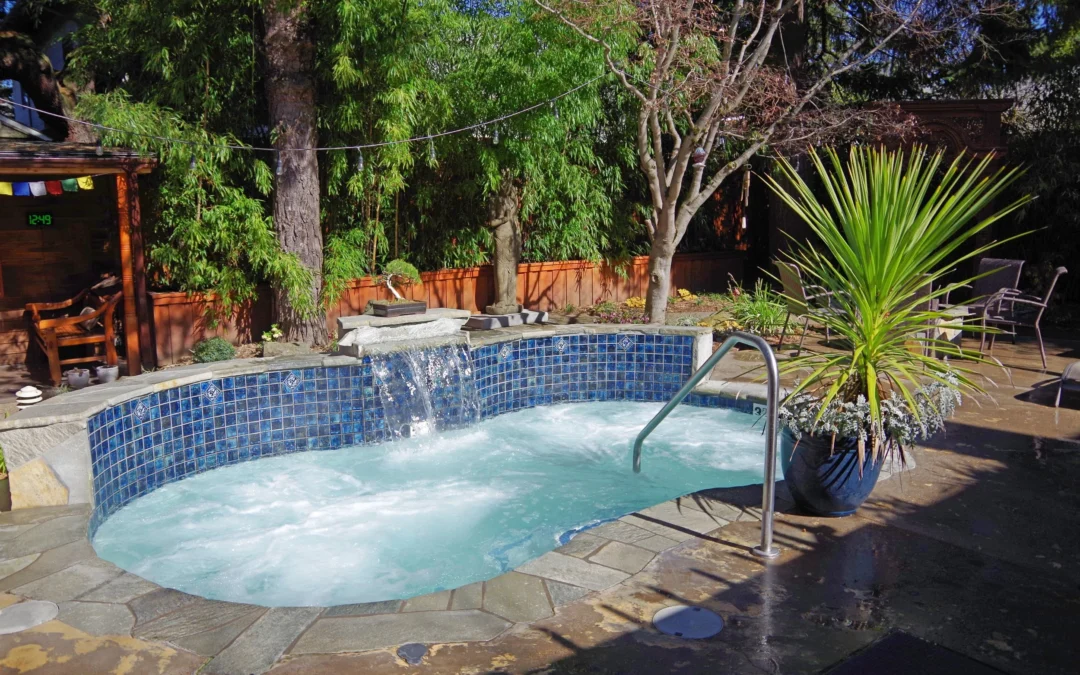
The facilities are simple but complete: two traditional electric saunas, a steam room, a large outdoor saltwater hot tub, two cold plunge tubs, locker rooms, a handful of treatment rooms, a tea room, and even community meeting space. There’s a gas fire pit tucked into the garden where people linger after soaking — half the magic of the place happens there, not in the water.
Everett House is clothing-optional and co-ed, though it’s worth being clear about what that means in practice: it’s not a nudist facility. Swimsuits are welcome; so is going without one. Nobody polices the choice either way. What struck me more than the policy itself was the culture it seemed to create — an unusual, almost old-fashioned comfort in the space, where people of every shape, age, and background share a hot tub without a hint of self-consciousness. The center also sets aside designated hours for women and for LGBTQ guests, a small structural choice that says a lot about who they’re trying to make room for.
The Real Product Isn’t the Water
Here’s the thing about a place like Everett House: the sauna and the cold plunge are almost beside the point. You can build a hot tub in your backyard. What you can’t easily manufacture is 45 years of a neighborhood treating a place like it belongs to them — regulars who’ve been coming for decades, a general manager who still knows people by name, a tea room where strangers end up in real conversations because there’s nowhere else to be and nothing else to perform.
That’s the part that stuck with me on the walk back to my hotel. It’s easy to design a beautiful bathhouse. It’s much harder to build the kind of trust that makes a community actually show up, week after week, for something as simple as sitting quietly with other people.
Why I Made the Trip
I didn’t come to Portland by accident. I’m building Sacred Waters, a community wellness bathhouse for the Bay Area, and Everett House is one of the clearest working examples of what I’m reaching for — proof that a communal bathhouse can be unpretentious, deeply rooted, and genuinely loved by the people who use it, without needing to be a luxury spa to get there.
If you’re ever in Portland and want to understand what a wellness space looks like when it’s been shaped by its community instead of a marketing plan, it’s worth the visit. Just don’t expect white robes and eucalyptus-scented towels — expect a fire pit, a cup of tea, and a lot of people who’ve stopped caring what they look like in a hot tub.
Have you visited a communal bathhouse that changed how you think about wellness spaces? I’d love to hear about it.